
Scotland 2 (work in progress)
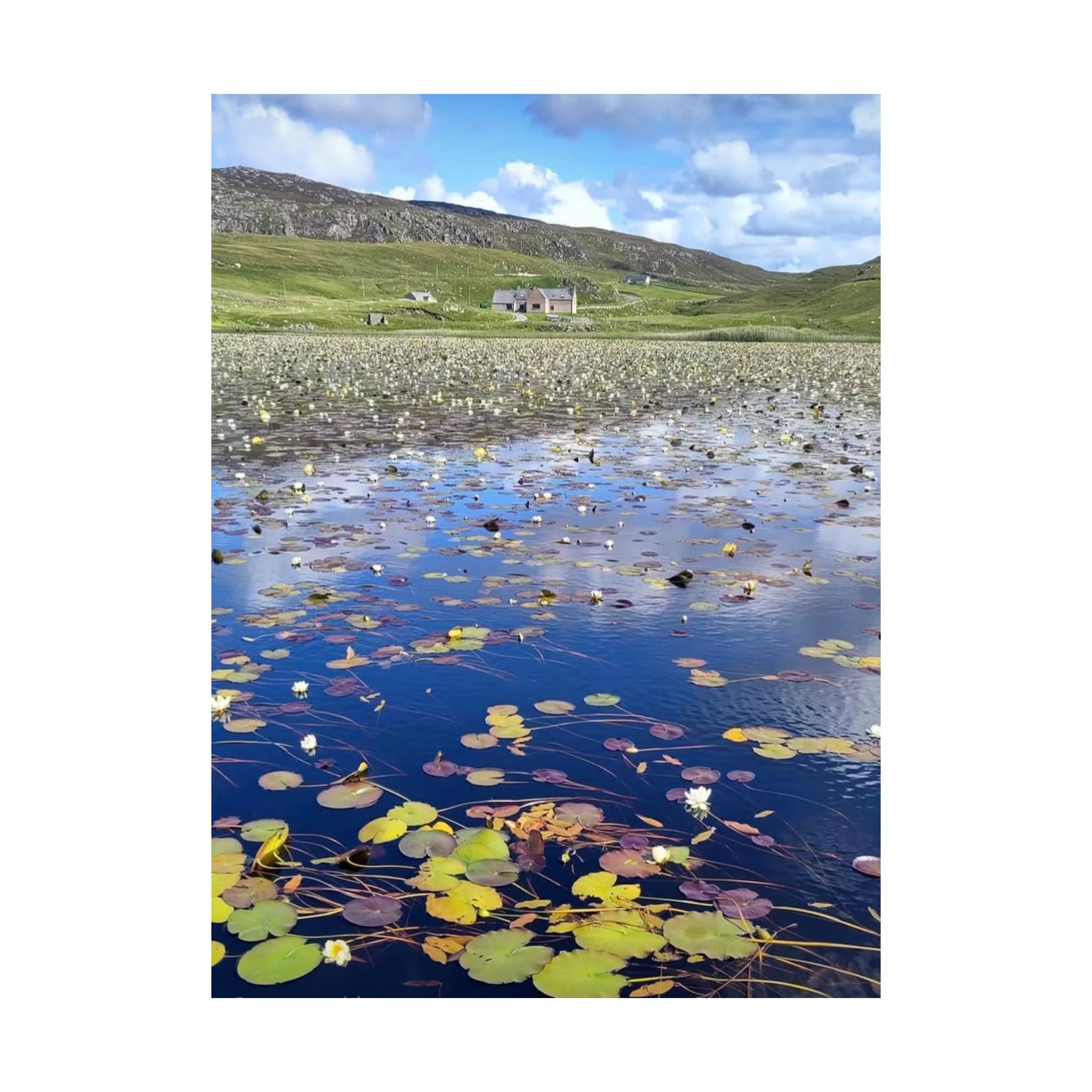
Nature and climate is a global force. Mid 18th century mountains were seen as something really terrible and wilderness was seen as something to be tamed. Tourists were blindfolding themselves so they wouldn’t have to see the hoody and scary mountains. Nature is sensitive to our actions. Humboldt explained nature as a complex web of life and interconnected global force and developed a new concept of nature. Our lands are exhausted and planet Earths is seen as a living organism. Colonialism, monoculture, plantations. A recurring theme in this dialogue is how landscapes recover or evolve, how water will find its course, how plants colonise or recolonise areas. In the landscape of tall Scots pines lays the world’s most widespread cone-bearing tree, as familiar to someone in Siberia as it is to someone in Scotland. They’ve developed in a climate that is much more moist, thanks to ocean-driven rain, than that on the content. Pines have grown at Beinn Eighe for at least 9300 years. Some of the chemicals in their resin are ever so slightly different from those in native pines in the central Highlands. So if Scottisch Scots pines are a race apart, the ones at Being Eight are even more distinctive. From twigs and cones collected from Beinn Eighe a charcoal was made that was used creating textile art on site. Scotland contains 28.000 lochs. All of the lochs have a distinct narrative, and all were case studies to explore whether the conflicting needs of wildlife, mankind and myths might become compatible. During artistic research, a range of water-related sites across the Highlands were selected. Loch Maree contains over 60 islands including the mysterious Isle Maree complete with holy well, wishing tree studded with coins and a historic burial ground. Gwen combines original Gaelic poetry, archival material, and footage of the Highlands. Her research interests include identifying and exploring myths in coastal communities with a focus on sisal history and cultural influences that shape relations between humans and nature ; the coupled social-ecological aspect of marine policy; and art-science. She realises that myths might be cliches to us, but they can cast their spells across boundaries of time, of geography and language. Myths marinate in the imagination and develop exotic flavours that need to be sniffed and tasted afresh. Besides that we are left to consider the aesthetics of the present; the views that overlay and obscure environmental histories and are the basis for many judgement decisions about the ‘naturalness’ or ‘wilderness’ of our land. for many judgement decisions about the ‘naturalness’ or ‘wilderness’ of our land. It’s about finding new ways to approach the relationships between past and present, the natural and unnatural, in the visual and sonic lanscapes that remain. In this installation I present my findings as an innovative art installation using different technologies such as drones and incorporating many different processes, traditional and contemporary, analogue and digital.

.jpeg)
.jpeg)
No items found.